队列:优雅的数据结构
队列是一种经典的数据结构,它以先进先出(First In First Out,FIFO)的方式管理数据。
在计算机科学中,队列被广泛应用于各种场景,从操作系统任务调度到网络通信,都能看到它的身影。
1. 队列的基本概念
队列是一种线性数据结构,具有两个主要操作:入队(enqueue)和出队(dequeue)。数据项从队尾入队,从队头出队,保证了先进入队列的元素先被取出。这种特性使得队列非常适用于需要按照顺序处理的问题。
2. 队列的实现
2.1 队列的实现思路
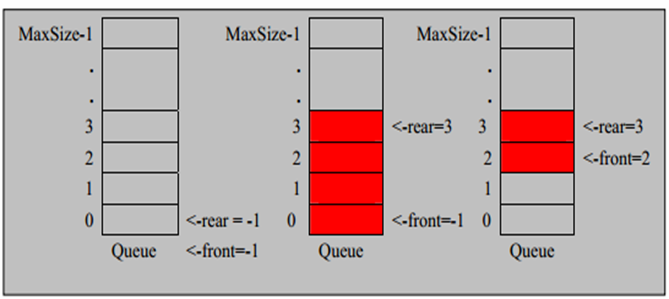
队列本身是有序列表,若使用数组结构存储队列数据,则队列数据声明如下图,其中maxSize是该队列的最大容量。

队列的输入、输出分别从前后端来处理,因此需要两个变量front、rear分别记录队列前后端的下标,front会随着数据输出而改变,而rear则随着数据输入而改变。
数据存入称为addQueue:
- 队尾指针往后移: rear+1, front == rear时队列为空
- 队尾指针rear小于队列的最大标maxSize-1,则将数据存入rear所指的数组元组中,否则无法存入数据。rear == maxSize-1时,队列满。
2.2 Java实现队列的基本结构
1
2
3
4
5
6
7
8
9
10
11
12
13
14
15
16
17
18
19
20
21
22
23
24
25
26
27
28
29
30
31
32
33
34
35
36
37
38
39
40
41
42
43
44
45
46
47
48
49
50
51
52
53
54
55
56
57
58
59
60
61
62
63
64
65
66
67
68
69
70
71
72
73
74
75
76
77
78
79
80
81
82
83
84
85
86
87
88
89
90
91
92
93
94
95
96
97
98
99
100
101
102
103
104
105
106
107
108
109
110
111
112
113
114
115
116
117
118
119
120
121
122
123
124
| package org.example;
import java.util.Scanner;
public class ArrayQueue {
private int maxSize;
private int front;
private int rear;
private int[] arr;
public ArrayQueue(int arrMaxSize) {
maxSize = arrMaxSize;
arr = new int[maxSize];
front = -1;
rear = -1;
}
public boolean isFull() {
return rear == maxSize - 1;
}
public boolean isEmpty() {
return rear == front;
}
public void addQueue(int n) {
if (isFull()) {
System.out.println("队列满,不能加入数据");
return;
}
rear++;
arr[rear] = n;
}
public int getQueue() {
if (isEmpty()) {
throw new RuntimeException("队列空,不能取数据");
}
front++;
return arr[front];
}
public void showQueue() {
if (isEmpty()) {
System.out.println("队列空的,没有数据");
return;
}
for (int i = 0; i < arr.length; i++) {
System.out.printf("arr[%d]=%d\n", i, arr[i]);
}
}
public int headQueue() {
if (isEmpty()) {
throw new RuntimeException("队列空的,没有数据");
}
return arr[front + 1];
}
public static void main(String[] args) {
System.out.println("测试数组模拟队列的案例~~~");
ArrayQueue queue = new ArrayQueue(3);
char key = ' ';
Scanner scanner = new Scanner(System.in);
boolean loop = true;
while (loop) {
System.out.println("s(show):显示队列");
System.out.println("e(exit):退出程序");
System.out.println("a(add):添加数据到队列");
System.out.println("g(get):从队列取出数据");
System.out.println("h(head):查看队列头的数据");
key = scanner.next().charAt(0);
switch (key) {
case 's':
queue.showQueue();
break;
case 'a':
System.out.println("输出一个数");
int value = scanner.nextInt();
queue.addQueue(value);
break;
case 'g':
try {
int res = queue.getQueue();
System.out.printf("取出的数据是%d\n", res);
} catch (Exception e) {
System.out.println(e.getMessage());
}
break;
case 'h':
try {
int res = queue.headQueue();
System.out.printf("队列头的数据是%d\n", res);
} catch (Exception e) {
System.out.println(e.getMessage());
}
break;
case 'e':
scanner.close();
loop = false;
break;
default:
break;
}
}
System.out.println("程序退出~~~");
}
}
|
2.3 Python实现队列的基本结构
队列可以使用数组或链表等数据结构来实现。以下是一个简单的队列实现示例(使用Python):
1
2
3
4
5
6
7
8
9
10
11
12
13
14
15
16
17
| ```python
class Queue:
def __init__(self):
self.items = []
def is_empty(self):
return len(self.items) == 0
def enqueue(self, item):
self.items.append(item)
def dequeue(self):
if not self.is_empty():
return self.items.pop(0)
def size(self):
return len(self.items)
|
2.4示例:使用队列解决问题
场景:打印任务队列
考虑一个打印任务队列的场景。当多个打印任务同时到达,我们希望它们按照先来先服务的原则依次完成打印。使用队列可以轻松实现这一需求。
1
2
3
4
5
6
7
8
9
10
11
12
|
print_queue = Queue()
print_queue.enqueue("Print Document 1")
print_queue.enqueue("Print Document 2")
print_queue.enqueue("Print Document 3")
while not print_queue.is_empty():
current_task = print_queue.dequeue()
print("Printing:", current_task)
|
这个示例展示了队列在处理按顺序到达的任务时的便利性。
3. 环形队列
循环队列是队列的一种变体,它通过循环使用数组或链表的空间,使得队列可以在队尾和队头之间形成环形结构。在这篇文章中,我们将深入研究循环队列的基本概念、实现方式以及在实际应用中的优势。
实现思路:
- front指向队列的第一个元素,初始值默认为0
- rear指向队列最后一个元素的后一个位置,初始值为0。空出空间作为约定。
- 当队列满时,(rear+1)% maxSize == front
- 当队列空时,rear == front
- 队列中有效的数据个数,(rear+maxSize-front)% maxSize
3.1 循环队列的基本概念
与普通队列不同,循环队列在队尾和队头之间建立了连接,形成了一个环。这意味着当队尾指针到达数组的末尾时,它可以循环回到数组的开头,从而更好地利用存储空间。
3.2 Java实现环形队列的基本结构
1
2
3
4
5
6
7
8
9
10
11
12
13
14
15
16
17
18
19
20
21
22
23
24
25
26
27
28
29
30
31
32
33
34
35
36
37
38
39
40
41
42
43
44
45
46
47
48
49
50
51
52
53
54
55
56
57
58
59
60
61
62
63
64
65
66
67
68
| package org.example;
import java.util.Scanner;
public class CircleArrayQueue {
private int maxSize;
private int front;
private int rear;
private int[] arr;
public CircleArrayQueue(int arrMaxSize) {
maxSize = arrMaxSize;
arr = new int[maxSize];
front = 0;
rear = 0;
}
public boolean isFull() {
return (rear + 1) % maxSize == front;
}
public boolean isEmpty() {
return rear == front;
}
public void addQueue(int n) {
if (isFull()) {
System.out.println("队列满,不能加入数据");
return;
}
arr[rear] = n;
rear = (rear + 1) % maxSize;
}
public int getQueue() {
if (isEmpty()) {
throw new RuntimeException("队列空,不能取数据");
}
int value = arr[front];
front = (front + 1) % maxSize;
return value;
}
public void showQueue() {
if (isEmpty()) {
System.out.println("队列空的,没有数据");
return;
}
for (int i = front; i < front + size(); i++) {
System.out.printf("arr[%d]=%d\n", i % maxSize, arr[i % maxSize]);
}
}
public int size() {
return (rear + maxSize - front) % maxSize;
}
}
|
3.3 Python实现环形队列的基本结构
1
2
3
4
5
6
7
8
9
10
11
12
13
14
15
16
17
18
19
20
21
22
23
24
25
26
27
28
29
30
31
32
| class CircularQueue:
def __init__(self, capacity):
self.capacity = capacity
self.queue = [None] * capacity
self.front = self.rear = -1
def is_empty(self):
return self.front == -1
def is_full(self):
return (self.rear + 1) % self.capacity == self.front
def enqueue(self, item):
if self.is_full():
print("Queue is full. Cannot enqueue.")
else:
if self.is_empty():
self.front = self.rear = 0
else:
self.rear = (self.rear + 1) % self.capacity
self.queue[self.rear] = item
def dequeue(self):
if self.is_empty():
print("Queue is empty. Cannot dequeue.")
else:
removed_item = self.queue[self.front]
if self.front == self.rear:
self.front = self.rear = -1
else:
self.front = (self.front + 1) % self.capacity
return removed_item
|
3.4 示例:使用循环队列解决问题
场景:循环缓冲区
考虑一个循环缓冲区的场景,其中数据按顺序写入循环队列,当队列满时,新的数据会覆盖最早的数据。
1
2
3
4
5
6
7
8
9
10
|
circular_queue = CircularQueue(5)
for i in range(1, 8):
circular_queue.enqueue(f"Data {i}")
while not circular_queue.is_empty():
print("Dequeue:", circular_queue.dequeue())
|
3.5 循环队列的优势
3.5.1 更高的空间利用率
由于循环队列的环形结构,它能够更好地利用存储空间,减少了不必要的内存浪费。
3.5.2 简化指针操作
循环队列通过使用取余运算简化了指针的操作,使得队头和队尾的指针移动更加高效。
3.6 循环队列的应用场景
3.6.1 缓存
循环队列常用于缓存系统中,用于处理数据的轮转和更新。
3.6.2 实时数据处理
在需要按时间顺序处理数据的场景中,循环队列能够提供高效的数据流管理。